

Blog
How Moving in Midlife Can Refresh Your Life, Career, and Goals
Here’s a guest post from Marjorie Jones at workingclasswow.com.
For established professionals and small business owners weighing a midlife move, the emotional impact of moving can collide with real relocation challenges like leaving support systems, reworking routines, and protecting income. Midlife uncertainty often shows up as a split feeling: staying put feels safe, but it can also feel like standing still. Add a midlife career change to the mix, and even confident decision-makers can feel unsteady about what comes next. Still, relocation can be a rare opening for lifestyle transformation and personal reinvention.
Keep Career Momentum: Build Business Skills While You Relocate
When a move brings big questions about what’s next, it can also create the perfect opening to invest in yourself. Going back to school during a midlife relocation can help you gain a new skill set or a fresh credential that supports this exciting chapter, without waiting until you’re fully settled to make progress. Earning a business degree can build practical strengths in accounting, business, communications, or management, giving you tools that transfer across industries and cities. If you’re considering a remote business degree, online programs can make it easier to juggle your job while keeping up with coursework during the transition. With career momentum in motion, you can make your new location work harder for you, supporting the work, home life, and goals you’re ready to redesign.
Making a Midlife Move a Sustainable Reset
A midlife move works best when you treat it as a goal reset, not just a change of scenery. The idea is to connect what you want next in work and life with real estate choices that support it, like neighborhood fit, commute patterns, and how your home functions day to day. Picture a consultant who wants more client time and fewer errands. They pick a walkable area near services and a low maintenance home with a dedicated office, so their new routine reinforces the goals. With that clarity, it gets easier to choose between residential options that match your next stage.
Choose Smart Housing: Townhome vs. New Home Tradeoffs
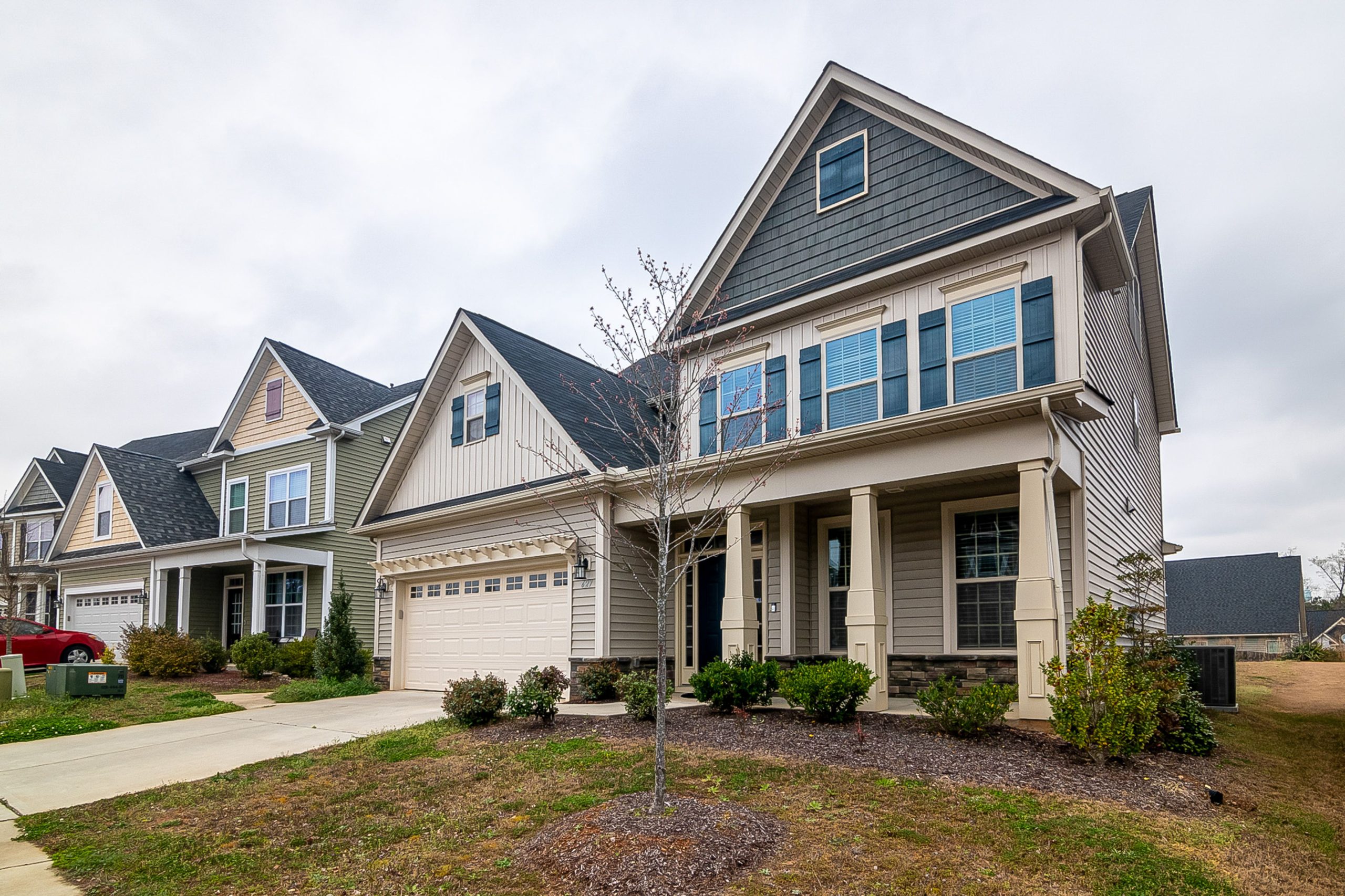
Once you’ve anchored your reset around what you want more of (time, stability, community), the housing format becomes a practical lever. Townhomes and condos often lower upfront costs and smooth out expenses with shared maintenance, which can free budget and bandwidth for career or lifestyle goals. They may also bundle amenities and land you closer to walkable areas, but you’ll trade some privacy, storage, and control over rules and renovations. A new standalone home typically offers more space, autonomy, and long-term flexibility, yet it can come with higher purchase price, bigger utility bills, and the full burden of repairs and yard work.
Midlife Moving FAQs: Costs, Choices, and Community
Q: How can I tell if housing is truly “affordable” for me now?
A: Start with your monthly “all-in” number: mortgage or rent, HOA, insurance, utilities, commuting, and a repair cushion. If the math feels tight, remember affordability has shifted in many markets, and the hours of work required to carry a mortgage has climbed sharply over time. Ask a lender for a payment breakdown and stress-test it at a higher rate or one unexpected expense.
Q: Should I buy right away or rent first after relocating?
A: Renting can be a smart “test drive” if you are changing industries, income, or lifestyle rhythms. Buying sooner can work if you have a stable budget, emergency savings, and confidence in the area. A practical next step is to set a decision date, like 6 to 12 months, so renting does not become a stall.
Q: How do I choose between a condo, townhome, and single-family home?
A: Match the home type to what you want to protect: time, money, or autonomy. Condos and townhomes can simplify upkeep, while a detached home can give you more control and space. Bring a short “non-negotiables” list to every showing so emotions do not run the deal.
Q: What should I look at in a neighborhood if I want to integrate quickly?
A: Prioritize places with natural “repeat contact” like parks, libraries, walkable errands, and local classes. Before you choose, research neighborhoods using multiple sources, then visit at different times of day. Once you move, say yes to two small routines weekly, like the same coffee shop or fitness class.
Q: When should I start booking movers or a truck to avoid stress?
A: Start getting quotes 6 to 8 weeks out, sooner if you are moving in summer. The peak moving season means top-rated crews and trucks book fast, and prices can jump. Put your preferred dates on hold, then confirm once your closing or lease is firm.
Turn a Midlife Move Into a Confident Fresh Start
Midlife moving can feel like a tug-of-war between comfort and the pull of something better, especially after weighing costs, choices, and community fit. The steadier path is midlife transition planning that treats relocation as a brand-level decision: align place, work, and daily rhythms with the life being built, not the life being left. When strategic lifestyle changes guide the decision, confidence in relocation grows, and the positive outcomes of moving show up as clearer goals, stronger routines, and real personal growth through moving. A thoughtful move turns uncertainty into an empowering fresh start. Draft a one-page “next chapter” brief this week: top three priorities, two non-negotiables, and the first small signal that the new place is working. That clarity is what builds resilience, connection, and long-term stability wherever home lands.